All round
Catherine’s Tears Spark National Service Debate
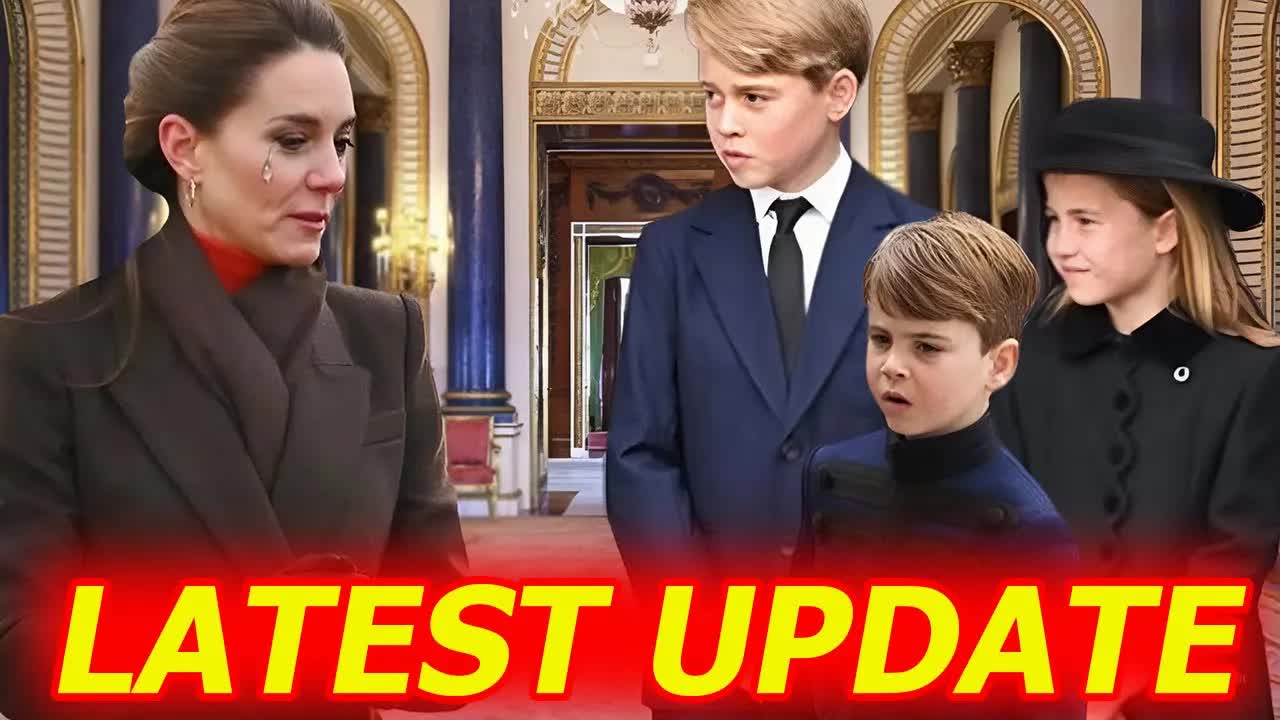
In a touching revelation, Catherine, the Princess of Wales, was reportedly moved to tears upon hearing that her children—Prince George, Princess Charlotte, and Prince Louis—might be required to participate in national service in the future.
This news not only stirred emotions within the royal family but also ignited a broader public discussion about the potential reinstatement of mandatory national service in the United Kingdom.
The topic of national service isn’t new in the UK; it has come up periodically over the years.
Advocates often argue that it could instill discipline, a sense of duty, and civic responsibility in the nation’s youth.
Recently, however, this idea has gained momentum, as some lawmakers are suggesting that mandatory service could help tackle various social issues while promoting national unity.
Trending:
The proposed plan would see all young adults spending a set period serving their country, whether through military training, community service, or other forms of public engagement.
Should the Conservative Party’s proposal gain traction and succeed in the upcoming general election on July 4, it could mean that every 18-year-old citizen in the UK would be required to either join the armed forces or engage in volunteer work for a year.
As members of the royal family, Prince George, Princess Charlotte, and Prince Louis occupy a unique position within British society.
Their potential involvement in national service carries significant symbolic weight, reflecting the monarchy’s dedication to shared responsibilities and national values.
Historically, the royal family has embraced public service, with many of its members, including Prince William and Prince Harry, having served in the military.
Not just the children of the Prince and Princess of Wales would be affected; other royal offspring, such as Princess Beatrice, Princess Eugenie, Zara Tindall, and Peter Phillips, who may not hold titles but are still part of the royal lineage, would also be included in this mandate.
Sources close to the royal family reveal that Catherine’s emotional response stems from a blend of maternal instinct and the heavy burden of her children’s prospective duties.
Known for her unwavering commitment to her family, she has always prioritized her children’s safety and well-being.
The thought of Prince George, Princess Charlotte, and Prince Louis facing the rigors of national service understandably causes anxiety for any parent, especially one who lives under constant public scrutiny.
A source shared that Catherine deeply cares for her children and recognizes the significance of duty and service.
Yet, the possibility of them being obligated to undertake national service has understandably brought her to tears.
Like any mother, she fears for their safety and future challenges.
The prospect of reintroducing national service has sparked a wide array of reactions from the public and media alike.
Supporters contend that such a program could equip young people with valuable life skills, foster community spirit, and prepare them for the hurdles ahead.
Conversely, critics voice concerns over the practicality of implementing such a scheme and the implications it might have on personal freedoms.
The involvement of the royal family adds layers to this ongoing debate.
Some view the participation of royal children as a profound statement of equality and shared responsibility, while others question the appropriateness of such a requirement given their unique roles and future obligations.
The British royal family has a storied history of military service.
Queen Elizabeth II herself served in the Auxiliary Territorial Service during World War II, and this legacy has continued with her descendants.
Prince William took to the skies as a search and rescue pilot in the Royal Air Force, while Prince Harry served on active duty in Afghanistan as an officer in the British Army.
This tradition of service underscores the royal family’s commitment to national duty, adding depth to the current discussions surrounding national service.
As the conversation around mandatory service unfolds, the fate of Prince George, Princess Charlotte, and Prince Louis remains uncertain.
Like many British families, the royal family must navigate the complex landscape of civic duty and public expectations.
For now, Catherine’s emotional reaction serves as a powerful reminder of the universal worries of parenthood, balancing personal fears with the weight of public responsibilities.
As discussions progress in the coming months, the royal family’s perspectives and decisions will undoubtedly influence public opinion and policy.